

The energy at Heart Rhythm 2026 in Chicago was undeniable. While McCormick Place buzzed with talk of the latest pulsed field ablation (PFA) trials and the Opening Plenary featured the wit of Dr. Glaucomflecken, many significant insights emerged from the discussions happening away from the main stage.
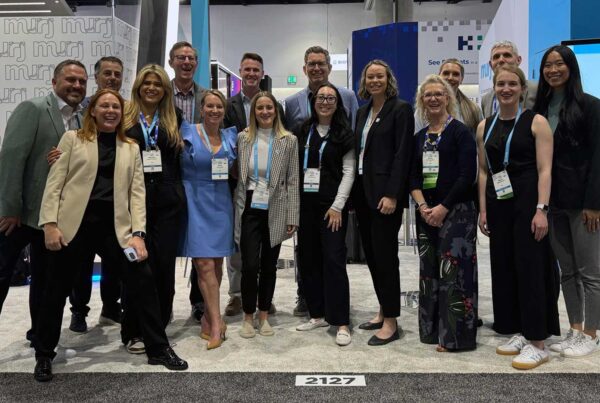
For Murj, this year’s conference was about more than just showcasing software; it was about empowering and recognizing the people behind cardiac device care. From supporting pediatric specialists and emerging leaders to honoring the essential work of allied health professionals (AHPs), we focused on the human element of the clinic.
We believe that while technology provides the engine of the modern device clinic, people remain its heart. Advanced tools like AI and automation can streamline data and surface insights, but it is the clinician’s expertise and empathy that turn those data points into meaningful patient care.
Read on for a recap of this year’s conference.
Celebrating the backbone of EP
This year, we hosted our annual AHP celebration on the water, hosting a cruise along the Chicago River to bring the community together off the convention floor. The gathering was a dedicated space to recognize the nurses, technicians, and clinic managers who navigate the high-volume clinical workflows to keep patients safe. It served as a clear reminder that while technology is a powerful tool, it is the clinical expertise and dedication of the AHP that truly drives patient outcomes.
Honoring excellence: The 2026 CARE Awards
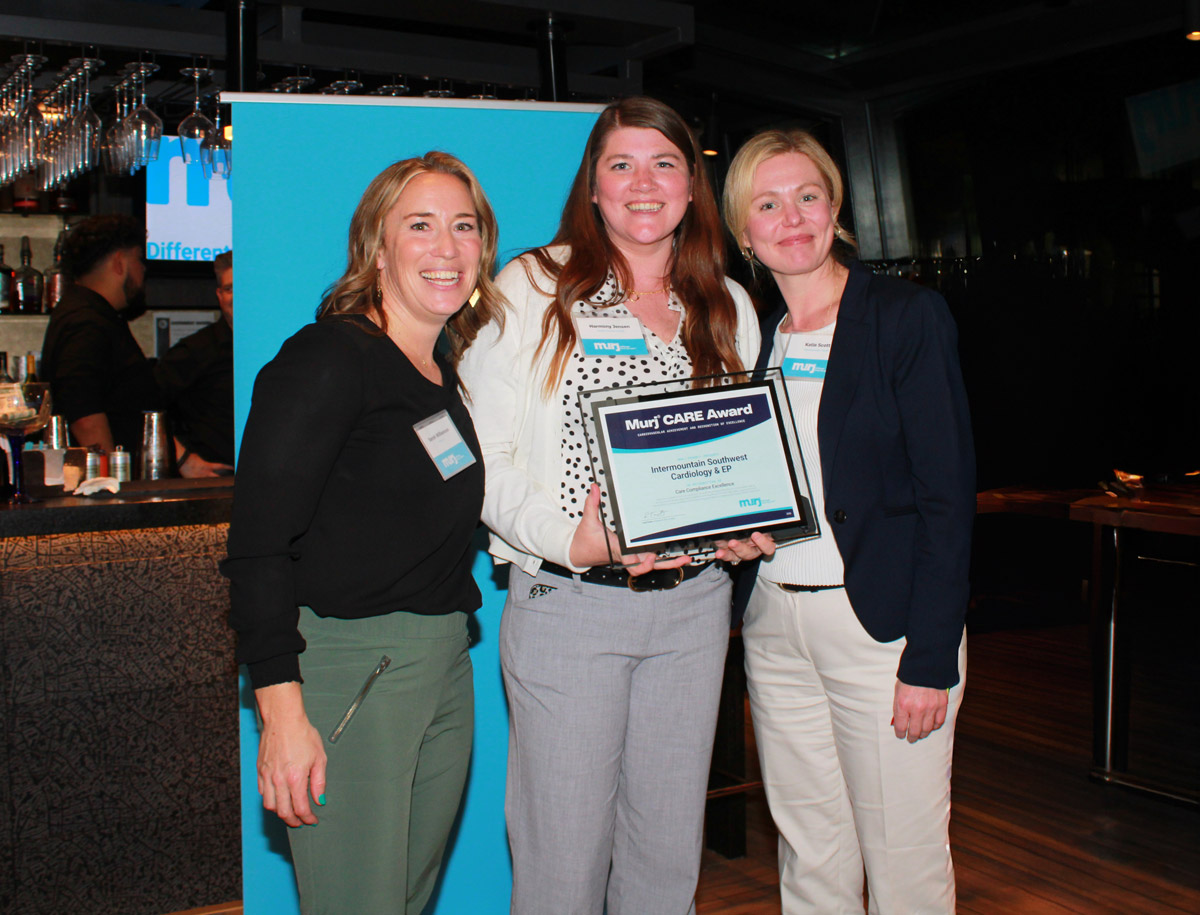
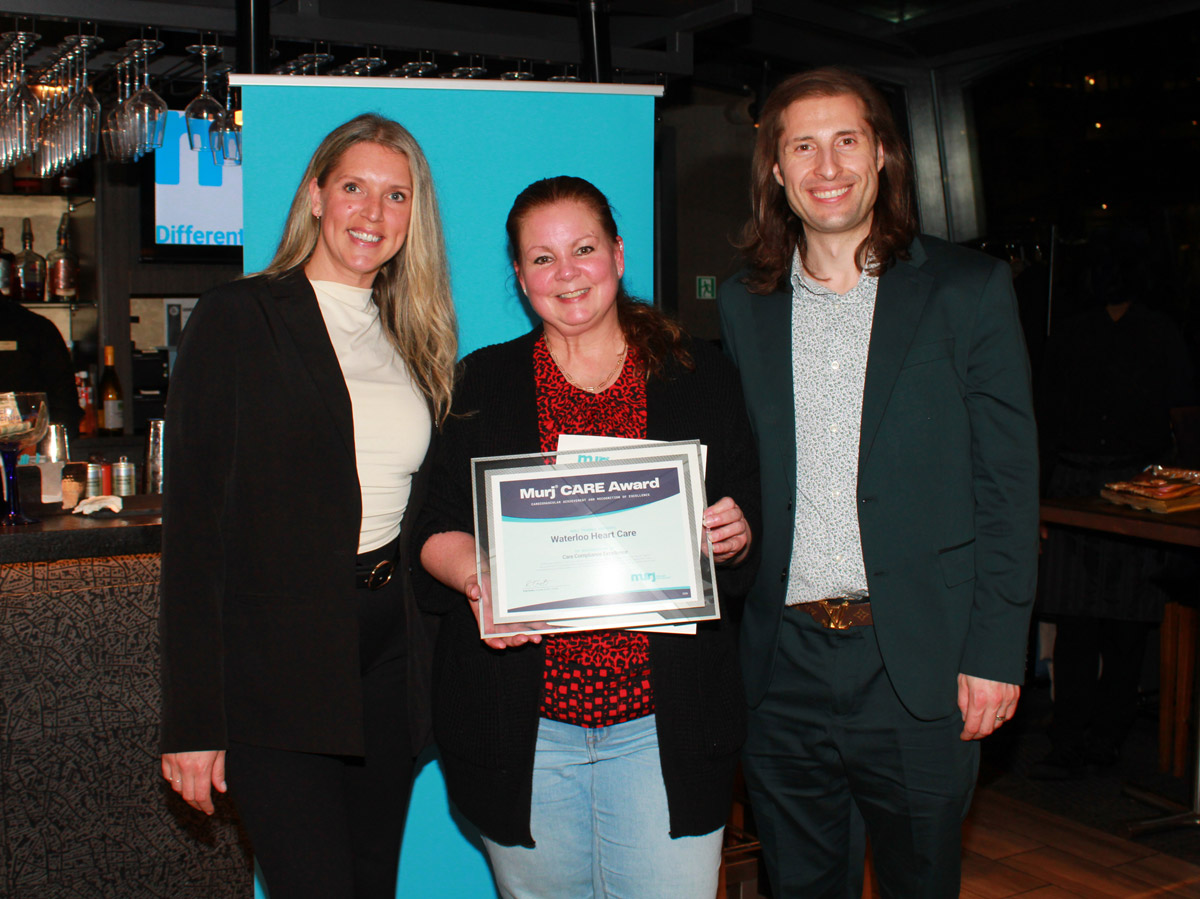
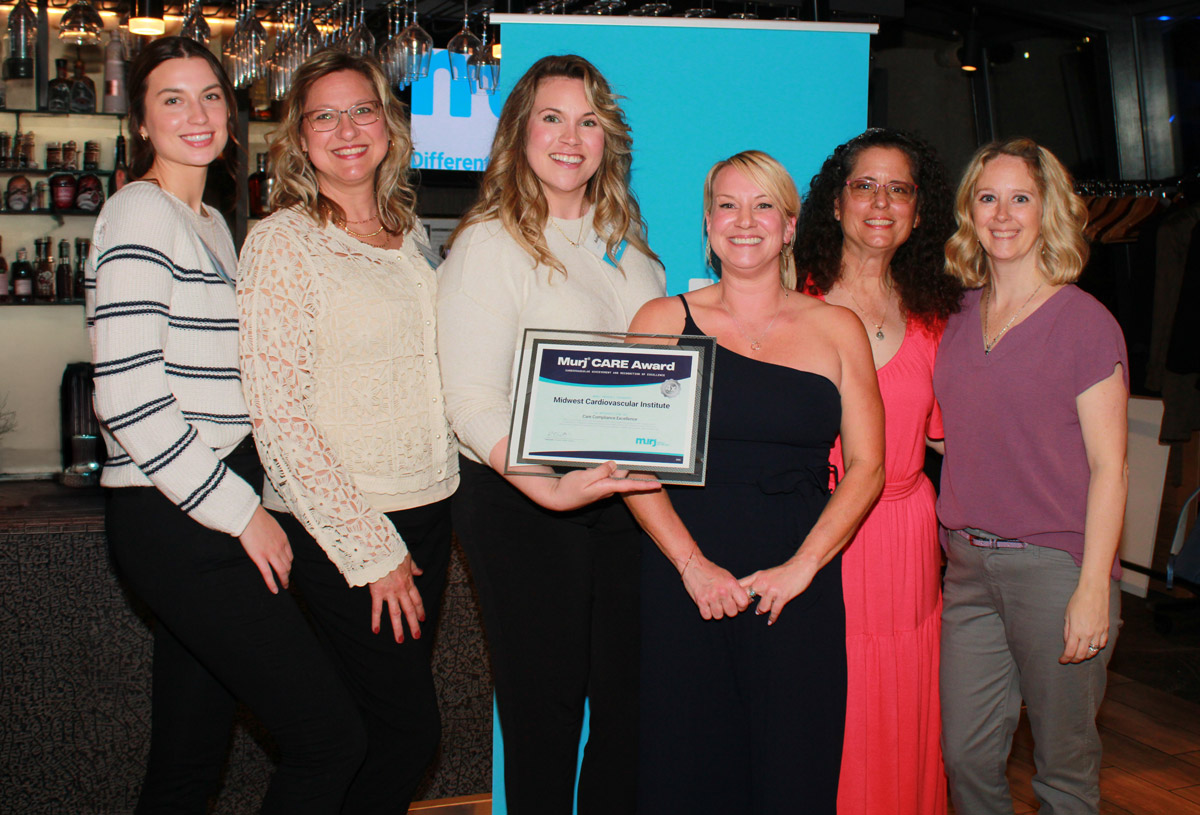
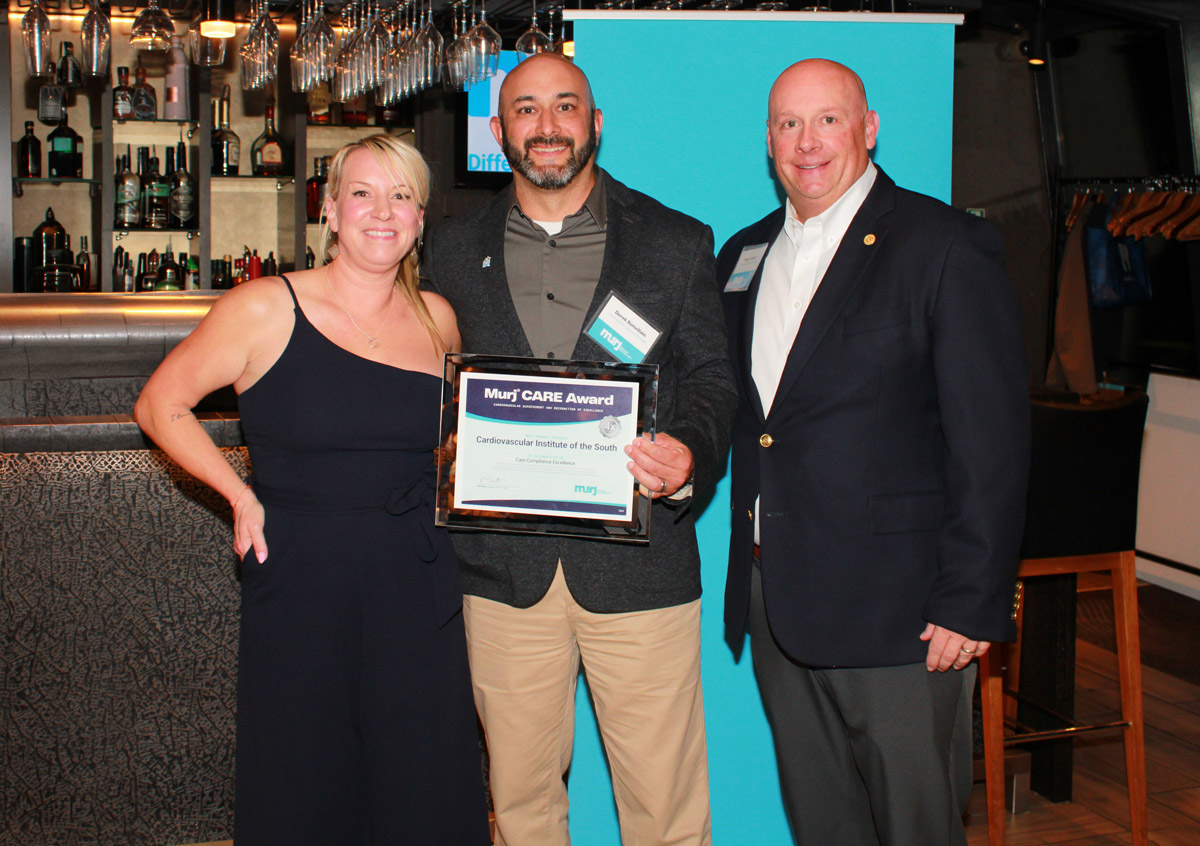
During our time in Chicago, we were proud to continue the tradition of the Cardiology Achievement and Recognition of Excellence (CARE) Awards. These awards honor healthcare institutions that utilize the Murj platform to achieve exceptional standards in CIED care.
The CARE Awards celebrate clinics that consistently maintained CIED care compliance scores of 90 percent or higher throughout a calendar year. These winners represent the gold standard in our industry, demonstrating an unwavering commitment to patient safety despite the increasing complexity of device data.
Continuing the initiative we expanded in 2025, the 2026 awards also recognized “rising star” clinics—those that made significant strides in optimizing their workflows and improving their adherence to best practices. These institutions have used Murj to transform their operations, proving that with the right tools and leadership, high-level compliance is achievable for any clinic.
Team Murj deeply respects the passion for excellence shown by this year’s recipients. We are honored to partner with clinics that prioritize these standards every day.
Clinical evidence: Optimizing CIED lead advisory management through a customized software tool
One of the scientific highlights at Heart Rhythm 2026 was a featured abstract titled “Optimizing CIED lead advisory management through a customized software tool” (PO-FPI-338). Co-authored by clinical teams from Emory Healthcare and Baptist Health—including Shannon Sorescu and Drs. Faisal M. Merchant and Gery F. Tomassoni—the research examined how major device advisories impact the operations of a modern clinic.
The operational challenge
Managing a large-scale device advisory is as much an exercise in operational readiness as it is clinical safety. When the Boston Scientific (BSC) lead advisory occurred in July 2025, it highlighted the limitations of reactive, manual processes. Traditionally, clinics rely on vendor-provided lists, which are often “flat” and may overlook vulnerable patients not enrolled in specific remote monitoring systems or those who have recently transferred care.
Research findings: Achieving 100 percent identification
The research detailed how a customized software tool within the Murj ecosystem outperformed standard manual vendor reporting. In a real-world application at Emory Healthcare, the study found:
- Total visibility – Murj identified 100 percent of affected patients, capturing approximately 7 percent more patients than the vendor-provided list alone1
- Closing the gaps – The platform identified 26 patients missed by traditional reporting methods. This group included 12 patients with non-BSC generators (as vendors typically track by generator rather than lead), 11 discrepancies within vendor remote monitoring systems, and additional patients who were either not enrolled in remote monitoring or were recent clinic transfers1
- Workflow acceleration – The study demonstrated that Murj transforms the identification process from weeks of manual spreadsheet management into a streamlined, risk-guided workflow
This abstract provides evidence that automating the advisory process removes significant administrative friction, allowing clinical staff to focus their expertise on high-risk patient stratification rather than manual data entry.
Supporting the professional and clinical community
Murj is proud to support organizations that focus on the professional growth of clinicians and the advancement of specialized patient care. During Heart Rhythm 2026, Murj was privileged to partner with two groups dedicated to these missions.
Professional growth through LEAP
The Leadership and Education for Allied Professionals (LEAP) program, offered by the Heart Rhythm Society, provides allied professional members an opportunity to enhance their leadership and career development skills. Through education, coaching, and the building of professional networks, LEAP provides the knowledge and skills needed to augment the path to leadership within HRS and academic or private practice medicine.
Murj is proud to sponsor the LEAP program, supporting the professional growth of allied health professionals as they explore strategies for goal development and employ collaborative methods of leadership within their organizations.
Advancing care for pediatric and congenital patients with PACES
At Murj, we recognize that the care of children and young adults with cardiac rhythm disturbances requires a highly specialized, collaborative approach. We are proud to support the Pediatric and Congenital Electrophysiology Society (PACES), an international group of physicians and allied professionals dedicated to improving the care of these unique populations.
The primary mission of PACES is to foster high-quality collaborative research and the exchange of ideas regarding arrhythmias in infants, children, and patients of any age with congenital heart disease. Managing these patients involves unique complexities, particularly for those with life-long cardiac conditions. Our engagement with the PACES community in Chicago helps ensure that Murj continues to support the high standards of education and healthcare policy necessary to serve these patients and their families.
Chicago was just the beginning
As we look back at Heart Rhythm 2026, the takeaway is clear: The EP community is stronger when we collaborate. From our partners at PACES to the leaders in the LEAP program and the clinical champions celebrated at the CARE Awards, we are proud to be part of this ecosystem.
Chicago showed us that the future of heart rhythm care is automated, integrated, and—above all—human.
Want to learn more about Murj? Connect with us today.
¹ Sorescu, S., et al. (2026). PO-FPI-338: Use of a customized software tool to facilitate rapid identification, triage and management of patients affected by a lead advisory. Heart Rhythm, 23(4), S135-S136.